How Colonial Trade Routes Introduced Chance-Based Games That Evolved into Contemporary Asian Card Room Regulations
Amir Powell · Jul 25, 2026
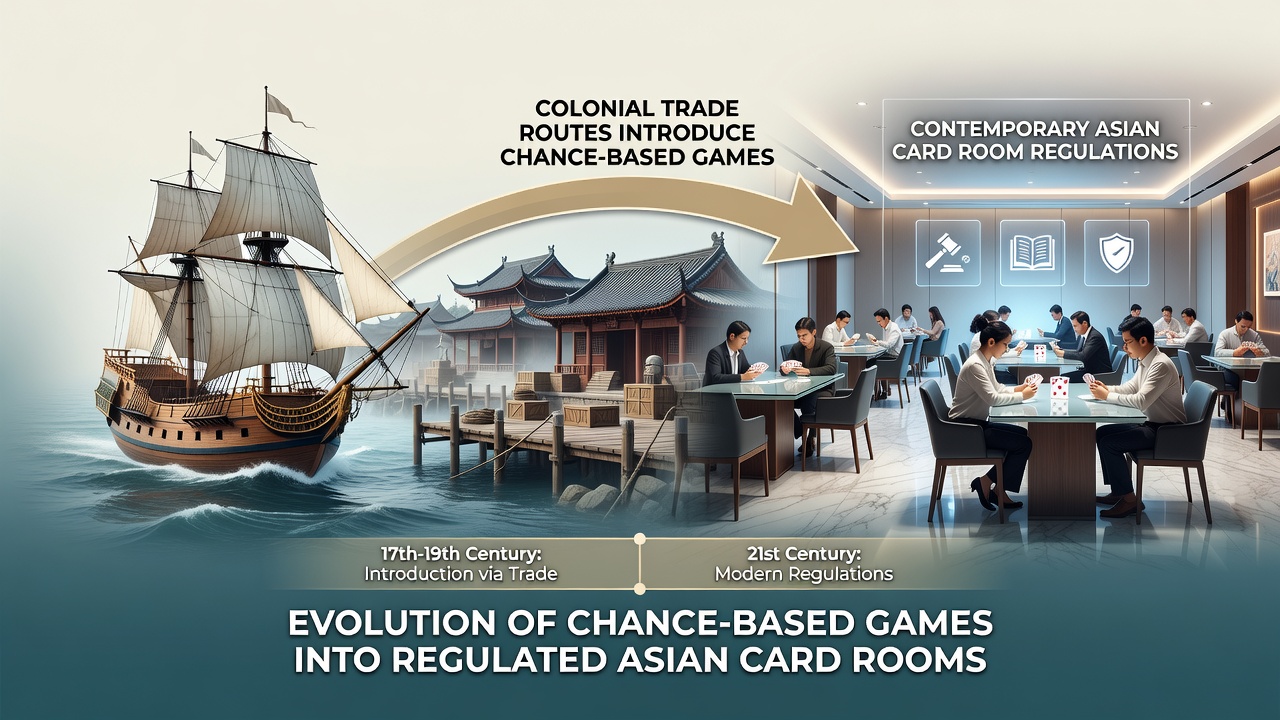
How Colonial Trade Routes Introduced Chance-Based Games That Evolved into Contemporary Asian Card Room Regulations
European colonial powers established extensive maritime networks during the 16th through 19th centuries that carried playing cards and dice games from Mediterranean and Atlantic ports directly into Asian trading centers, and these items arrived alongside merchants who settled in enclaves from Goa to Manila where local populations encountered European chance mechanics for the first time.
Early Introductions Through Portuguese and Dutch Networks
Portuguese vessels reached Indian and Southeast Asian harbors by the early 1500s carrying decks that featured suits and ranks familiar in Iberia, while Dutch East India Company records document regular shipments of gaming materials to Batavia and other entrepôts where Chinese and Malay traders quickly adopted the physical objects even as they modified scoring systems to fit existing gambling customs. Historians note that these exchanges occurred at fortified warehouses where sailors and local laborers wagered during off hours, and evidence from company ledgers shows consistent demand for replacement cards damaged by tropical humidity.
Spanish Manila galleons further distributed similar items across the Pacific corridor, linking Acapulco departures with Philippine markets where indigenous and Chinese communities integrated the imported pasteboards into community events. Research from maritime archives indicates that by the mid-1600s, hybrid games blending European ranking with regional betting patterns had already appeared in port taverns.
British Expansion and Game Adaptation in South and East Asia
British commercial dominance in the 18th and 19th centuries accelerated the spread of additional variants, particularly after the establishment of settlements in Singapore and Hong Kong where officers and traders introduced structured card play during social gatherings that soon extended to commercial houses. Observers recorded that local clerks and merchants adapted these sessions into informal clubs, and by the late 1800s several such venues operated with regular schedules and house rules that combined imported mechanics with local preferences for rapid rounds.
One study of colonial administrative correspondence reveals that British authorities occasionally taxed these gatherings to generate revenue, creating early precedents for oversight that later colonial and independent governments expanded. Data from period newspapers show growing numbers of participants across ethnic lines, and the resulting game forms retained core chance elements while incorporating local terminology and side bets.
Transition from Informal Play to Regulated Venues
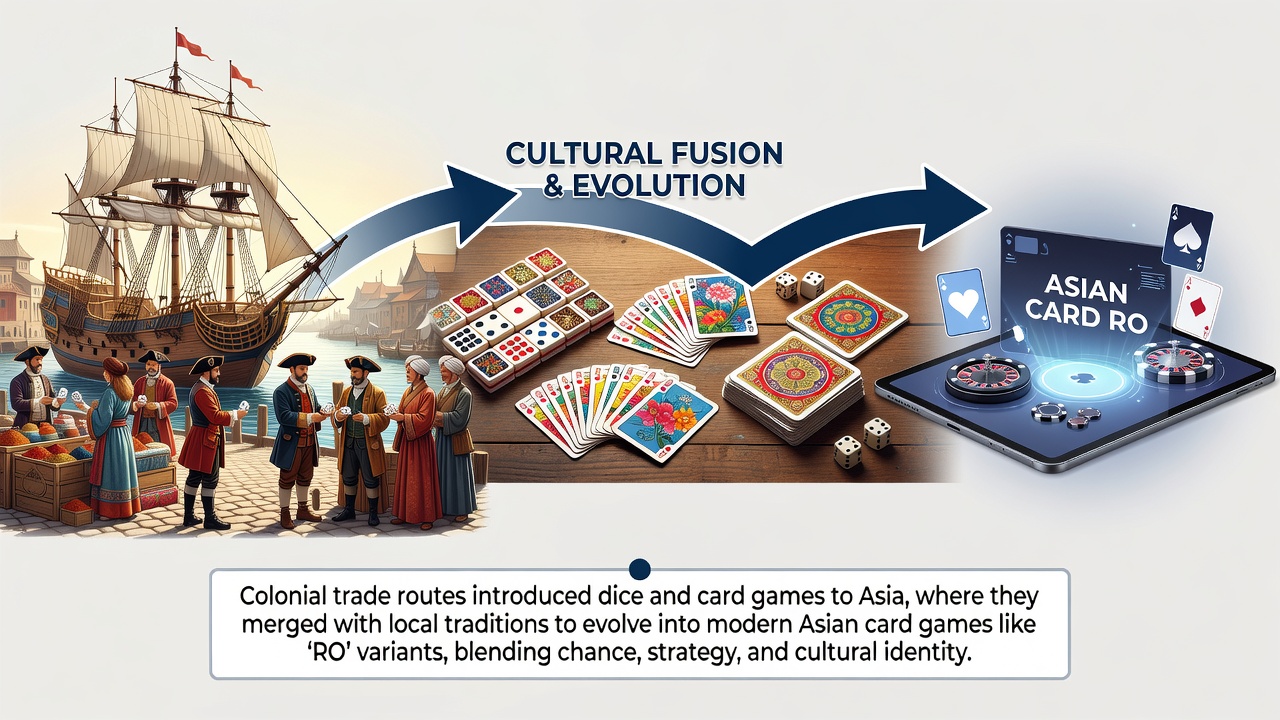
Post-independence governments across Asia inherited these established practices and began formalizing them through licensing systems during the mid-20th century. Philippine authorities created a dedicated agency in 1977 that later issued detailed operating standards for card rooms, while Singapore introduced controlled environments in the 2000s that emphasized player protection alongside revenue collection. Malaysian state-level rules followed similar patterns in the same decade, each jurisdiction citing historical continuity as justification for permitting continued operation under supervision.
Contemporary frameworks require operators to maintain transparent shuffling procedures, age verification, and financial reporting that trace back to the revenue mechanisms first applied under colonial administrations. Figures from regulatory filings indicate steady growth in licensed locations through the 2010s, with several jurisdictions updating technical standards for electronic shuffling devices and surveillance by 2025.
Regulatory Developments Around July 2026
By July 2026 several Asian licensing bodies had completed reviews of card room compliance manuals that addressed digital record-keeping and cross-border player identification protocols. These updates reflect ongoing efforts to align older operational traditions with current international expectations for responsible conduct, and government reports show incremental adjustments rather than wholesale replacement of existing structures. Industry associations in the region have documented how these refinements maintain continuity with practices that originated centuries earlier while meeting contemporary administrative requirements.
Conclusion
Colonial maritime connections delivered chance-based card and dice formats that local communities reshaped over generations, and those adapted forms underpin many of the card room operations now subject to licensing and oversight in multiple Asian jurisdictions. Administrative records and regulatory publications confirm that present-day standards evolved directly from earlier revenue and control practices established along the same trade corridors.