Navigating Currency Fluctuations and Their Effects on International Online Gaming Participation Rates
Otto Otto · Jul 6, 2026

Navigating Currency Fluctuations and Their Effects on International Online Gaming Participation Rates
Currency fluctuations reshape how players from different regions engage with international online gaming platforms, since exchange rate shifts directly alter the real cost of deposits and withdrawals while influencing overall participation patterns across borders. Research from economic monitoring bodies shows that when a player's home currency weakens against major reserve currencies like the US dollar or euro, deposit amounts required by platforms often translate into higher local costs, which data indicates can reduce session frequency and account activity among affected user groups.
How Exchange Rate Movements Alter Player Economics
Online gaming operators typically process transactions in a limited set of base currencies, which forces participants in emerging markets to absorb conversion fees and volatility risks during each funding cycle. Studies compiled by international financial institutions reveal that a 10 percent depreciation in local currency against the platform's settlement currency can increase effective deposit costs by similar margins, prompting some users to pause activity until rates stabilize. Observers tracking participation metrics note that regions experiencing sustained currency pressure, such as parts of Latin America and Southeast Asia during 2025, recorded measurable dips in active accounts from non-premium segments while high-value players maintained steadier engagement through hedging tools or multi-currency wallets.
Payment processors and gaming sites have responded by expanding support for local currencies and stablecoin options, yet adoption rates vary sharply by jurisdiction. Figures released in early 2026 demonstrate that platforms offering real-time rate locking saw retention improvements of up to 18 percent compared with those maintaining fixed USD-only funding, according to aggregated industry transaction data. Those who've examined player behavior across multiple forex cycles find that volatility spikes often coincide with temporary migration toward domestically regulated operators where available, since local currency billing removes one layer of conversion uncertainty.
Regional Participation Shifts Documented Through Mid-2026
Data collected through July 2026 highlights distinct patterns tied to currency movements in specific markets. In Canada, where the loonie fluctuated against the USD throughout spring, participation rates at cross-border platforms dipped modestly before recovering once exchange conditions eased, per reports from national gaming associations. Australian users faced parallel dynamics after commodity-linked currency swings, with researchers at academic centers documenting reduced deposit volumes during periods when the Australian dollar lost ground. European players, operating within the eurozone, experienced comparatively muted effects because many platforms already support euro transactions, although cross-border participants from non-euro EU states still encountered conversion layers.
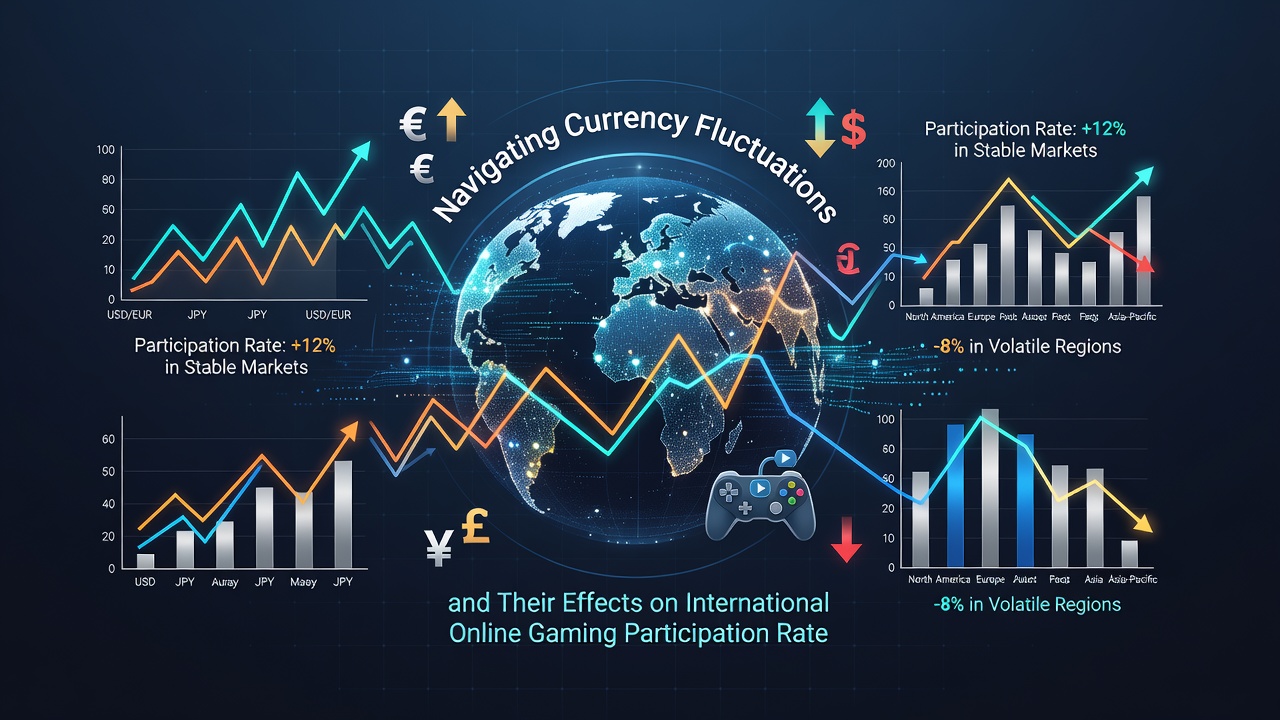
Emerging markets present sharper contrasts. Nigerian naira volatility and Argentine peso movements produced pronounced participation drops at international sites during the first half of 2026, while platforms that introduced localized payment rails reported faster rebounds in activity levels. Analysts examining transaction logs emphasize that bonus structures denominated in foreign currencies lose perceived value during depreciation phases, which further dampens engagement until operators adjust promotional terms.
Platform Adaptations and Player Navigation Strategies
Operators have introduced several mechanisms to mitigate these pressures, including dynamic currency conversion at checkout, integration with multi-currency e-wallets, and occasional regional pricing adjustments. Industry reports from Canadian and Australian trade groups show that sites deploying these features retained higher percentages of international traffic during volatile periods. Players, meanwhile, have turned to forward contracts where accessible, stablecoin funding, or timing deposits around favorable rate windows, approaches documented in surveys conducted by university economics departments.
Regulatory frameworks also play a role, since certain jurisdictions require clear disclosure of conversion fees and rate sources. The European Central Bank maintains ongoing monitoring of digital payment flows that intersect with gaming sectors, while similar oversight bodies in Canada and Australia track how currency transparency influences consumer protection metrics. These disclosures help participants make informed decisions without eliminating the underlying forex exposure.
Conclusion
Currency fluctuations continue to exert measurable influence on international online gaming participation, with participation rates rising and falling in tandem with exchange movements across multiple regions. Data compiled through July 2026 underscores that platforms offering flexible currency options and transparent conversion processes maintain stronger cross-border engagement, whereas users in markets with limited hedging alternatives experience more pronounced activity shifts. Ongoing developments in payment technology and regulatory disclosure standards provide additional tools for both operators and participants to manage these dynamics as global currency conditions evolve.