Regulatory Reforms Reshaping Reward Systems in International Gambling Markets
Ellis Richter · Aug 31, 2026
Regulatory Reforms Reshaping Reward Systems in International Gambling Markets
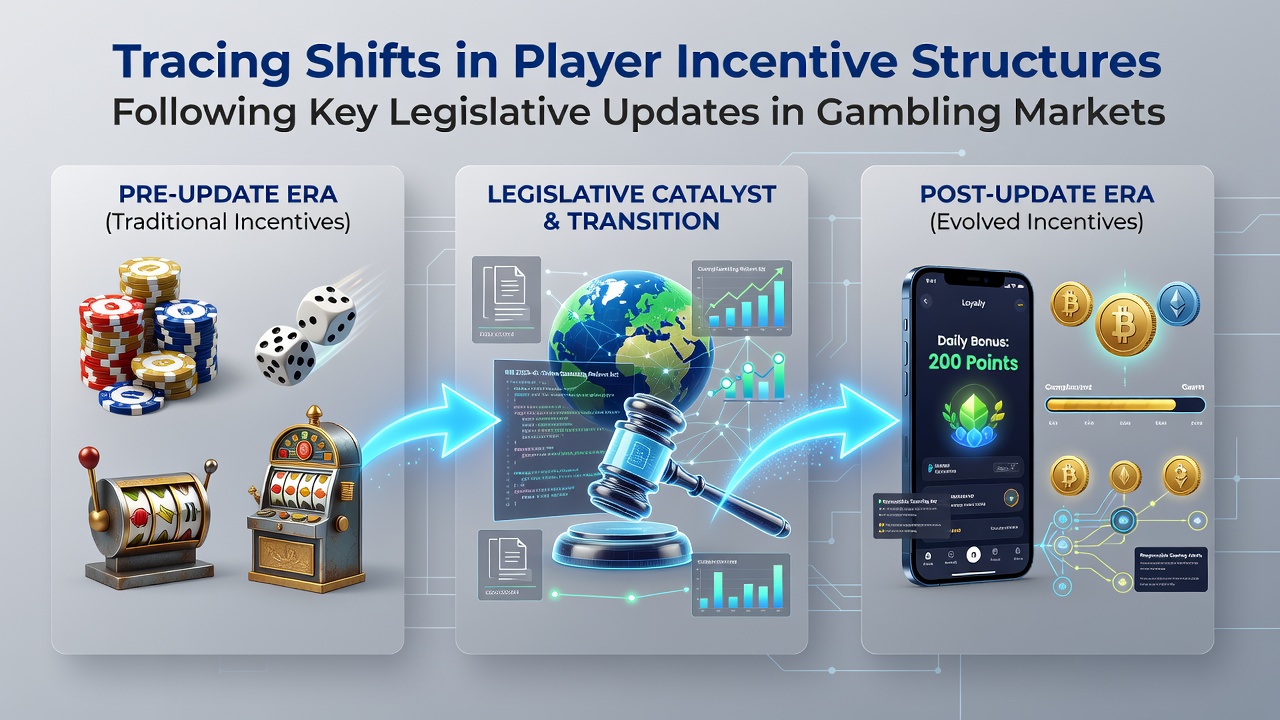
Legislative updates across multiple jurisdictions have prompted operators to adjust player incentive structures in measurable ways, with bonus terms, loyalty tiers, and promotional mechanics evolving to align with new compliance requirements, adn these adjustments appear in markets from North America to Asia-Pacific regions since the early 2020s.
Early Adjustments in North American Markets
States that expanded sports betting and online casino access introduced rules limiting bonus frequency and value, which led operators to replace unlimited deposit matches with capped offers tied to verified playthrough data, while regulators in places like New Jersey and Pennsylvania required clearer disclosure of wagering requirements, and similar patterns emerged in Canadian provinces where Ontario's iGaming framework took effect in 2022.
Data from industry trackers shows average bonus percentages dropped from 200 percent to around 100 percent in newly regulated US states, and this shift coincided with requirements for responsible gambling messaging embedded in promotional materials.
European and Australian Regulatory Influences
European countries outside the UK implemented deposit limits and bonus caps that forced operators to redesign welcome packages into segmented rewards based on player history, whereas Australian states tightened rules on free spin allocations following inquiries into gambling harm, and these changes prompted platforms to emphasize cashback programs over high-volume free bet credits.
Research from the Australian Gambling Research Centre indicates a 35 percent reduction in bonus-related claims after 2023 updates in several territories, and operators responded by introducing loyalty points that convert to non-withdrawable credits only after extended activity periods.
Emerging Patterns in Asia-Pacific Jurisdictions
Markets such as Singapore and parts of Southeast Asia introduced licensing frameworks that emphasize player verification before any promotional credit activates, and this requirement shifted incentives toward tiered VIP structures that unlock benefits only after documented deposit and play volumes, while data from regulatory filings shows increased use of time-based expiration on rewards to discourage prolonged sessions.
Those who have examined filings note that operators in these regions now tie incentive eligibility to self-exclusion database checks, which adds administrative layers yet maintains compliance with local harm minimization standards.
Impact on Player Behavior and Platform Design
Studies conducted by academic groups at the University of Nevada Reno document how players adapted to shorter bonus lifecycles by concentrating activity during promotional windows, and platforms countered this by staggering rewards across multiple game categories rather than concentrating value in slots or table games alone.
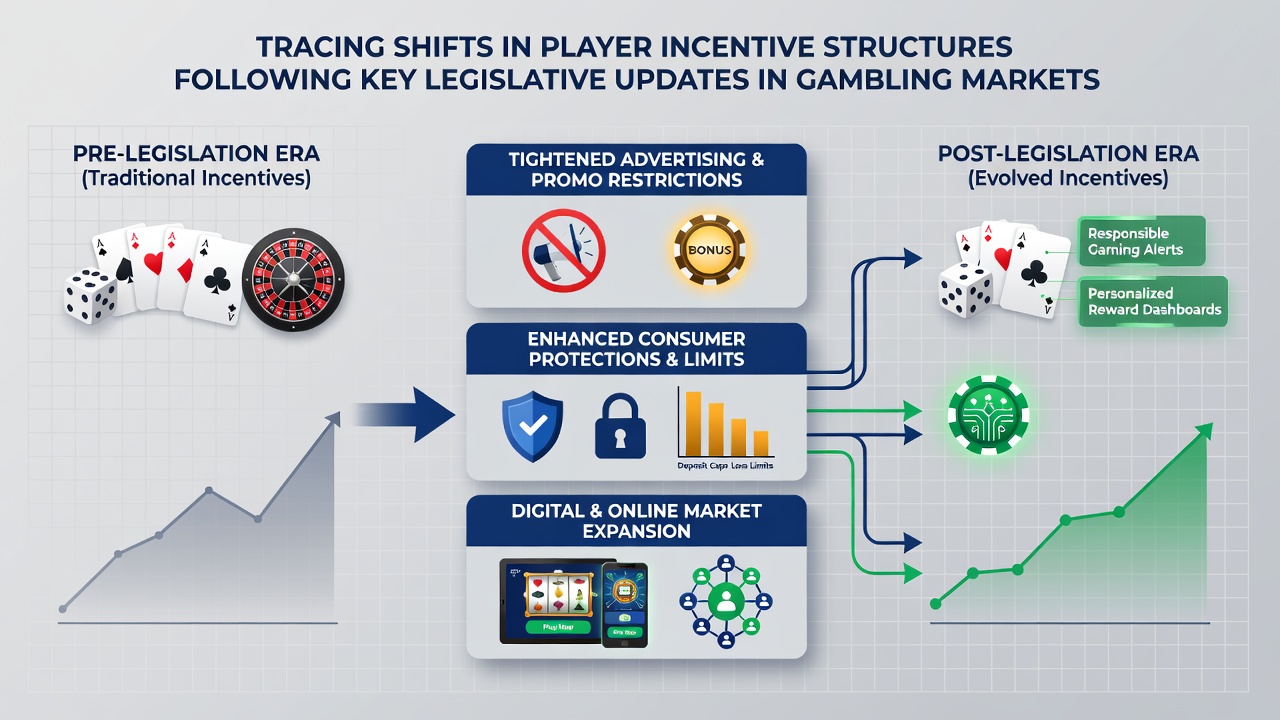
What's notable is that operators began integrating real-time risk scoring into incentive delivery systems, which allows them to pause or modify offers when play patterns trigger regulatory thresholds, and this approach appears in both retail casino apps and fully digital environments.
Developments Anticipated for August 2026
Scheduled reviews in several US states and EU member countries point toward further standardization of incentive reporting, with proposed rules requiring quarterly disclosure of bonus redemption rates and associated player outcomes, and analysts expect operators to expand hybrid models that blend deposit-based rewards with achievement milestones to satisfy both commercial and compliance goals.
According to data compiled by the American Gaming Association, early pilots of these disclosure formats already show operators reallocating marketing budgets toward retention tools rather than acquisition bonuses, and similar trends surface in filings from the Malta Gaming Authority where incentive structures now incorporate mandatory cooling-off periods between reward claims.
Conclusion
Legislative updates continue to drive measurable reconfiguration of player incentives across regulated gambling markets, with operators adapting through capped offers, verification gates, and segmented loyalty mechanics that prioritize compliance alongside engagement, and ongoing monitoring by regulatory bodies will likely sustain these directional changes into subsequent years.